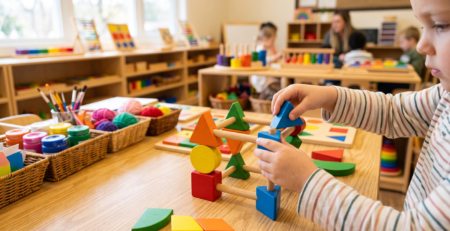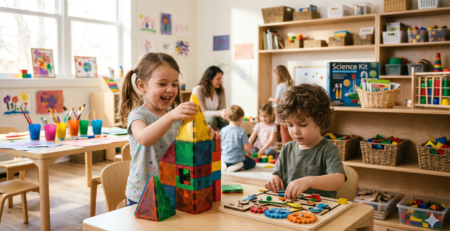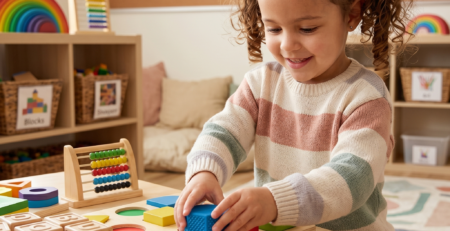
When we look around modern classrooms and households across the country, we see a significant shift in how young children learn. The conventional methods of rote memorisation are quickly being supplanted by dynamic settings that encourage tactile engagement. Educators and parents are continuously looking for trustworthy educational resources that can transform abstract concepts into concrete experiences. After all, infants absorb knowledge most effectively when they can touch, interact and explore with their surroundings. This increased desire for high quality learning tools has revolutionised modern early childhood development, ensuring that natural curiosity thrives in the digital age.
Finding long-lasting, curriculum aligned things might be stressful for teachers on a tight schedule who want the best for their students. Working together with a trusted education toys supplier South Africa makes all the difference in properly furnishing learning rooms. When classrooms are outfitted with reliable equipment, daily lesson planning becomes infinitely more creative. When children's hands are engaged building, sorting and testing tangible hypotheses, they concentrate better and develop greater resilience. They learn that making mistakes is a natural part of learning how the physical world works.
Mathematics is typically a huge challenge for young students until they can visualise numbers physically rather than on a flat page. Access to extensive maths teacher resources completely transforms the dynamic of a classroom environment. Instead of being afraid of sophisticated mathematics, students instinctively notice patterns as they operate counters, geometric shapes and measurement tools. These physical manipulatives bridge the gap between complicated theoretical numbers and common logic, providing children the necessary confidence to succeed academically.
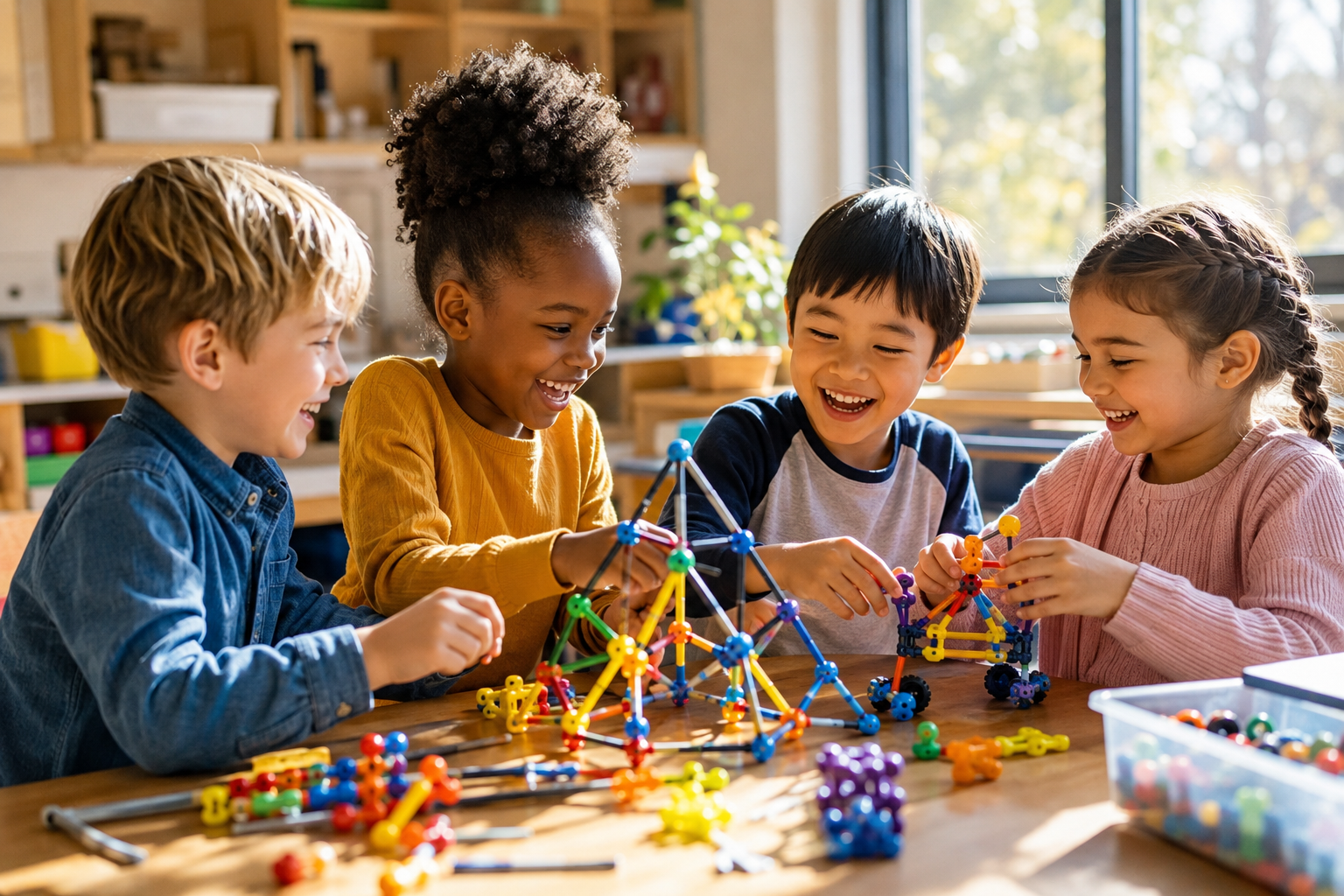
Preparing the next generation also includes embracing technological readiness rather than relying entirely on passive screen time or digital devices. Clever stem toys use play to teach fundamental engineering and coding principles. When children snap parts together or test how rudimentary gear systems rotate, they are developing the brain connections required for future technological fluency. It enables individuals to become active creators rather than passive consumers of digital material in an increasingly automated world.
Classic constructional toys have weathered the test of time and they are at the centre of this physical revolution. Whether they build towering wooden blocks or interlocking plastic bricks, children serve as junior architects, building their own surroundings. They learn about balance, gravity and structural integrity through immediate input. These timeless activities root kids in the physical cosmos while unleashing their limitless creative potential. As the educational landscape evolves, investing in these strong fundamental tools is the most effective method to prepare students for a bright and successful future.
Beyond the classroom, unstructured play is critical for social development, emotional growth and peer collaboration. When children share resources, communicate ideas and negotiate building plans which they naturally develop empathy, compromise, patience and excellent communication skills. They also learn how to listen to other points of view, resolve conflicts, take turns and collaborate toward a common objective. These interpersonal skills are equally as important as academic ability for managing tomorrow's increasingly interconnected and diverse global society.
Finally, combining tactile exploration with structured direction results in a harmonic learning environment in which young minds can actually thrive. Hands-on activities provide youngsters the opportunity to experiment, make mistakes, adjust their ideas and discover solutions thru real experience while attentive coaching helps them grasp and expand on what they have learned. Educators and parents may create a solid basis for lifetime intellectual adaptation by focusing on hands-on learning methods now. This approach fosters curiosity, creativity, confidence and independent thinking in children, allowing them to develop into capable and imaginative problem solvers who are ready to face new challenges with fortitude and enthusiasm.