As educators and enthusiastic advocates for early childhood development resources, we are increasingly worried about how our children's learning settings are evolving in today's hyper-connected, digital world. Everywhere we look, screens are replacing traditional modes of engagement. While technology plays a crucial role in modern society, the global shift towards digital reliance is significantly impacting the development of key life skills in our youngest generations.
Recent global studies have revealed a concerning reduction in fine motor skills, sustained attention and creative problem-solving abilities among children entering formal schooling in recent years, particularly following the epidemic that forced so much of our lives online. This is a direct result of children spending their formative years swiping tablets rather than manipulating actual objects in the real world.
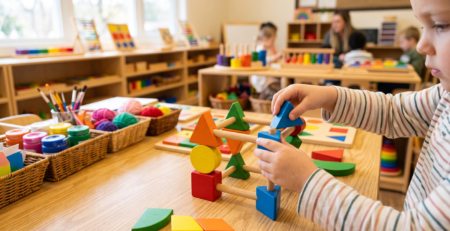
This pervasive screen saturation makes the return to hands-on, tactile learning more important than ever. In our professional experience, children learn best when they can safely touch, feel and engage with the physical world, which is why actively incorporating high-quality educational classroom resources into their daily routines is critical to their overall development. When youngsters interact with real objects, they are not simply passing the time; they are physically establishing the cerebral pathways necessary for complex thought and lifetime learning.
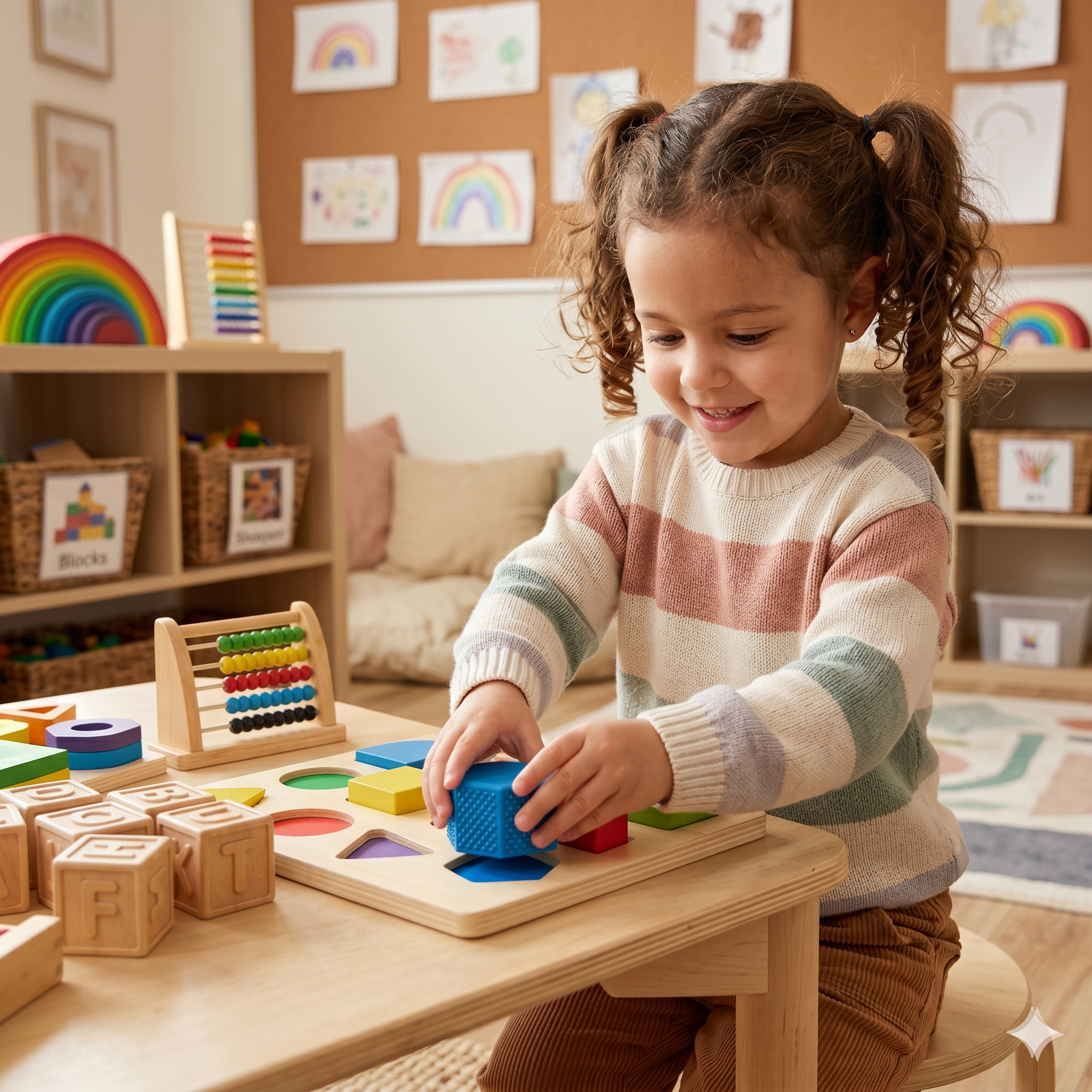
For example, school activities that effectively promote early reading and speech development frequently rely heavily on interactive storytelling, puppet play and tactile letter tracing, all of which cannot be replicated with the same amount of neurological stimulation on a flat screen. Furthermore, handling wooden blocks, sorting shapes and solving physical educational puzzles directly improves a child's spatial awareness and core math skills. We simply cannot overstate the importance of specific numeracy resources that children can grip, stack and count, such as physical beads or textured number plates, because these important tools transform abstract numerical concepts into concrete realities.
Aside from this critical cognitive progress, a child's sensory and emotional development is strongly reliant on real-world interactions in which they can experience varied textures, weights and repercussions, learning to self-regulate complex emotions through shared, physical play with their peers. By prioritising and supplying expertly designed ECD resources, South Africa can confidently ensure that our early learners are not left behind or emotionally stunted in a completely virtual environment.
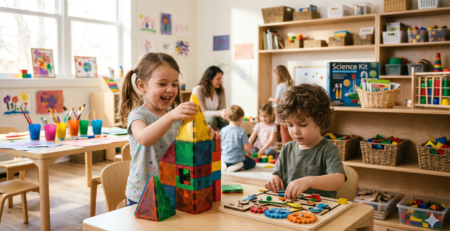
Integrating a diverse range of classroom resources into both the home and formal school environments naturally promotes collaborative play, allowing children to gradually learn important interpersonal skills such as empathy, negotiation, conflict resolution and patience, skills that are becoming increasingly rare in isolated digital interactions.
Our collective focus must urgently move back to nourishing the complete child through active game play and imaginative pretend play, allowing them to explore their infinite imaginations free of the pre-programmed limitations of a mobile app. This does not imply that we must completely reject technology, but rather that we must zealously and purposefully defend the time committed to unplugged, physical learning. The world is becoming quicker and more digital by the day, but a human brain's developmental needs remain profoundly entrenched in physical exploration and continual sensory feedback.
By investing in the correct materials, we enable our children to lay a solid foundation that will sustain their learning journey for decades to come. If you are as passionate as we are about encouraging strong, well-rounded and healthy development for the children in your life, we warmly invite you to learn more about the wonderful array of resources available to help this crucial educational purpose.
Contact BrainPlay today!